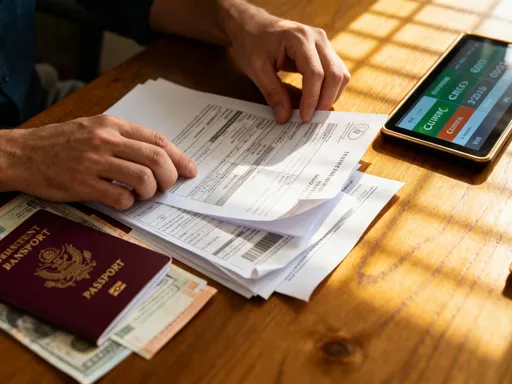
How I Navigated a Debt Crisis Using Smart Market Moves
I once stood at the edge of a financial cliff—bills piling up, credit stretched thin, and the market swinging wildly. Instead of panicking, I used market forecasting to reshape my debt strategy. What felt impossible became manageable. This is how I turned insight into action, avoided costly mistakes, and rebuilt control—without relying on luck or risky bets. You can do it too. Financial crises rarely arrive with warning, but they do follow patterns. Recognizing those patterns made all the difference. This is not a story of sudden windfalls or aggressive investing. It is about discipline, timing, and using available information to make smarter decisions when every dollar counts.
Hitting Rock Bottom: The Moment I Realized I Was in a Debt Crisis
It started quietly—small credit card charges for groceries, unexpected car repairs, a medical bill that insurance didn’t fully cover. At first, it seemed manageable. I told myself I would catch up next month. But month after month, the balance grew. Minimum payments barely made a dent, and new charges kept adding up. The real wake-up call came when I missed a utility payment and received a late notice. That moment hit hard. It wasn’t just about the fee—it was the realization that I had lost control.
The stress became constant. I found myself checking my bank account multiple times a day, dreading the next statement. Sleep became harder to come by, and simple financial decisions—like whether to buy groceries or refill the gas tank—felt overwhelming. I was not alone; millions of households face similar pressures, especially during periods of economic uncertainty. But acknowledging the problem was only the first step. The bigger question was what to do next. I knew I needed a plan, but not just any plan—one that could adapt to changing circumstances, not collapse at the first sign of another unexpected expense.
What made the situation worse was the unpredictability of my income. I worked in a field with variable earnings, and when a major client delayed payment, the entire house of cards threatened to fall. I had no emergency fund to fall back on, and my credit was already strained. The fear of a downward spiral was real. It was then I realized that traditional budgeting alone wouldn’t be enough. I needed a strategy that accounted for external forces—forces like interest rates, job market shifts, and broader economic trends. That’s when I began to look beyond personal habits and started paying attention to the larger financial landscape.
Why Traditional Debt Advice Fell Short for Me
Like many in financial distress, I turned to conventional advice: transfer balances to a 0% APR card, consolidate debt with a personal loan, cut all non-essential spending. Some of these steps helped in the short term. I did manage to lower my interest rate temporarily with a balance transfer. But the relief was brief. When the introductory period ended, the rate jumped, and my payments increased. Worse, I hadn’t addressed the root cause—my income was inconsistent, and my expenses could spike without warning.
Debt consolidation sounded appealing, but qualifying for a low-rate loan was difficult with my credit score. The offers I received came with higher rates than expected, and some required fees that made the total cost less attractive. Even if I had qualified, locking into a fixed repayment plan felt risky. What if my income dropped again? I needed flexibility, not another rigid obligation. These solutions assumed stable income and predictable expenses—conditions I simply didn’t have. They treated debt as a static problem, but in reality, it was deeply affected by the economy around me.
Another limitation was timing. Most advice focused on immediate actions but didn’t account for the broader financial environment. For example, refinancing during a period of rising interest rates could backfire. Similarly, aggressively paying down debt during an economic downturn—when job security might be low—could leave me vulnerable if an emergency arose. I began to see that a one-size-fits-all approach wasn’t enough. I needed a strategy that could adjust based on real-time economic signals. That’s when I started exploring how market forecasting could be used not for speculation, but for protection and planning.
Discovering the Power of Market Forecasting in Personal Finance
Market forecasting is often associated with stock trading or retirement investing, but I realized it could be a powerful tool for debt management. It’s not about predicting the future with certainty, but about understanding trends and preparing for likely scenarios. I began studying basic economic indicators—things like inflation reports, unemployment data, and Federal Reserve announcements. These weren’t abstract concepts; they directly influenced borrowing costs, job availability, and even my own income potential.
For example, when inflation began to rise, I knew interest rates were likely to follow. That signaled a need to act before my variable-rate credit cards increased. I used that insight to prioritize paying down high-interest balances and avoid new borrowing. When job growth slowed in my sector, I adjusted my budget to preserve cash, knowing income might dip. These weren’t dramatic moves—just small, informed decisions that added up over time.
One of the most valuable lessons was understanding interest rate cycles. The Federal Reserve adjusts rates to manage economic growth. When rates are low, borrowing is cheaper, but savings earn less. When rates rise, debt becomes more expensive. By tracking these trends, I could anticipate changes rather than react to them. I didn’t need to be an economist—just someone paying attention. Publicly available data, financial news summaries, and even central bank statements provided enough information to make smarter choices. Forecasting became a way to reduce uncertainty, not eliminate it entirely.
The key shift was mindset. Instead of seeing debt as a personal failure, I began to view it as part of a larger financial system. My choices mattered, but so did the environment in which I made them. This perspective reduced shame and increased agency. I wasn’t helpless; I could use information to my advantage. Market awareness didn’t solve my debt overnight, but it gave me a framework for making better decisions under pressure.
Aligning Debt Repayment with Economic Cycles
Once I understood the broader trends, I began to time my financial actions accordingly. During periods of economic expansion and stable income, I increased my debt payments. I focused on paying down high-interest balances first, knowing that rates could rise in the near future. This aggressive repayment phase was possible because the job market was strong, and my freelance work was consistent. I treated these times as opportunities to make progress while conditions were favorable.
Conversely, when economic indicators suggested a slowdown—such as declining consumer spending or rising unemployment—I shifted gears. Instead of pushing to pay off debt faster, I preserved cash. I reduced non-essential spending and paused extra payments temporarily. This wasn’t giving up; it was risk management. I knew that job security could weaken, and having liquidity was more important than reducing debt by a few hundred dollars if it meant being unprepared for a larger setback.
One of the most effective moves was refinancing my auto loan before interest rates increased. I had been tracking rate trends for months and noticed a pattern of gradual hikes. I acted early, locking in a lower rate before the next Fed announcement. That decision saved me hundreds of dollars in interest over the life of the loan. Similarly, I avoided opening new credit lines during a tightening cycle, knowing approval would be harder and rates higher. These decisions were based on timing, not emotion.
Another example was delaying a major home repair until I had better visibility into my income. The roof needed work, but contractors were expensive, and financing would mean new debt. Instead of rushing, I monitored the local job market. When hiring picked up in my field, I knew my income was likely to stabilize, so I proceeded with the repair using saved funds. This kind of strategic patience reduced financial stress and prevented impulsive decisions. Aligning actions with economic cycles didn’t require perfect predictions—just a general sense of direction.
Building a Flexible Financial Buffer Without Sacrificing Progress
One of the toughest challenges was balancing debt repayment with the need for an emergency fund. Experts often recommend saving three to six months of expenses, but when you’re deep in debt, that goal can feel impossible. I couldn’t afford to stop making progress on my balances, but I also couldn’t risk another unexpected expense derailing everything. The solution was to build a lean, flexible buffer—one that offered protection without stalling repayment.
I started small, setting aside $20 from each payment toward a separate savings account. It wasn’t much, but it grew over time. I treated this fund as a safety net, not a full emergency reserve. Its purpose was to cover minor surprises—like a flat tire or a prescription refill—without resorting to credit. As my debt decreased and cash flow improved, I gradually increased contributions. The key was consistency, not size.
I also used low-risk, liquid assets as temporary cushions. For example, I kept a portion of my savings in a high-yield money market account. It earned slightly more than a regular savings account and allowed me to access funds quickly if needed. I didn’t invest in stocks or bonds for this purpose—too much risk. The goal was stability, not growth. This approach gave me peace of mind without compromising my debt goals.
Another strategy was adjusting contributions based on forecasted income. In months when I expected lower earnings—such as after a major project ended—I reduced my emergency fund deposit and focused on maintaining minimum debt payments. When income was strong, I increased both debt payments and savings. This dynamic approach kept me on track without creating unnecessary stress. The buffer wasn’t perfect, but it was functional. It turned uncertainty into a manageable variable, not a source of constant fear.
Avoiding Common Traps: When Market Hype Almost Derailed My Plan
Even with a solid strategy, temptations appeared. During a period of strong stock market gains, I heard stories of people making quick profits through speculative trading. Some friends claimed they were earning thousands in weeks. For a moment, I considered diverting some debt payments into an investment account, hoping to accelerate my recovery through high returns. The idea was tempting—what if I could earn enough to pay off my debt in one go?
But I paused and reconsidered. My plan was built on stability, not speculation. I reviewed my goals: reducing debt, improving cash flow, and building resilience. Day trading or chasing hot stocks didn’t align with those objectives. The risk of losing money was high, and a single bad trade could undo months of progress. I reminded myself that market forecasts were meant to guide caution, not encourage gambling.
I also thought about the emotional toll. Stress had already taken a heavy price. Adding the pressure of monitoring stock prices daily would only increase anxiety. My strategy was designed to reduce uncertainty, not amplify it. I chose to stay the course. That decision proved wise when the market corrected a few months later, and many of those “sure bets” lost significant value.
The lesson was clear: discipline matters more than opportunity. There will always be new financial trends—cryptocurrency, real estate booms, meme stocks. But not every trend is suitable for every situation. When you’re managing debt, the priority is stability, not speed. Forecasting helped me recognize when to act and, just as importantly, when to wait. Avoiding these traps wasn’t about missing out—it was about protecting the progress I had worked so hard to achieve.
From Survival to Stability: How This Approach Changed My Financial Future
Today, my financial situation is unrecognizable from where it was just a few years ago. I’m no longer living paycheck to paycheck. My debt is manageable, and I have a growing emergency fund. More importantly, I’ve gained confidence in my ability to make sound financial decisions. The transformation wasn’t due to a single action, but to a consistent, informed approach that adapted to changing conditions.
Market forecasting didn’t eliminate risk, but it gave me a sense of control. I learned to anticipate challenges rather than just react to them. I became more patient, more strategic, and less reactive to short-term pressures. These habits have extended beyond debt management—they’ve improved how I plan for retirement, handle income fluctuations, and make long-term financial choices.
The biggest change has been in mindset. I no longer see financial setbacks as personal failures. Instead, I view them as signals—clues that can guide better decisions. Whether it’s adjusting spending during uncertain times or seizing opportunities when conditions are favorable, I now approach money with awareness and intention. This shift has reduced anxiety and increased resilience.
Navigating a debt crisis isn’t about achieving perfection. It’s about making consistent, informed choices that move you forward. You don’t need a high income or a financial degree. You need awareness, discipline, and a willingness to adapt. By combining market insights with practical habits, I turned a period of crisis into a foundation for long-term stability. And if I can do it, so can you. The path to financial control isn’t found in luck or shortcuts—it’s built through thoughtful, informed action, one decision at a time.