Calm in the Chaos: My Beginner’s Journey to Easing Anxiety Naturally
Living with constant worry used to be my normal—racing thoughts, restlessness, and sleepless nights. I didn’t know where to start, but learning simple, daily habits changed everything. This is not about curing anxiety, but about finding small, sustainable ways to feel more in control. These are the real strategies I tested and trusted, shared straight from my journey to better mental balance. Anxiety doesn’t have to rule your days. With gentle, consistent practices, relief is possible—and it often begins with something as basic as your next breath.
Understanding Anxiety: What It Really Feels Like (And Why It’s More Common Than You Think)
Anxiety is more than just feeling stressed or nervous before a big event. For many, it’s a persistent undercurrent of worry that lingers long after the immediate cause has passed. It can show up as a tight chest, a mind that won’t stop racing, or an unshakable sense of dread about the future. Unlike stress, which typically responds to an external pressure and fades once the situation is resolved, anxiety often persists even when there’s no clear threat. Panic, on the other hand, is a sudden, intense surge of fear—sometimes without warning—that can include symptoms like dizziness, shortness of breath, or a feeling of losing control. Understanding these distinctions is the first step toward managing them effectively.
Physically, anxiety activates the body’s survival system—the fight-or-flight response—even when there’s no real danger. This means increased heart rate, muscle tension, shallow breathing, and a flood of stress hormones like cortisol and adrenaline. Emotionally, it can lead to irritability, difficulty concentrating, and a tendency to anticipate the worst. Many people also experience digestive discomfort, headaches, or fatigue as part of their anxiety. These symptoms are not imagined; they are real physiological reactions. The brain is simply misreading safety cues, treating everyday situations as threats. Recognizing this helps reduce shame and self-blame, which often make anxiety worse.
Anxiety is incredibly common. Studies suggest that around one in three adults will experience an anxiety disorder at some point in their lives. Among women, especially those in their 30s to 50s, the rates are slightly higher, often influenced by life transitions, caregiving responsibilities, and hormonal changes. Yet, many suffer in silence, believing they should be able to “just get over it.” The truth is, anxiety is not a character flaw or a sign of weakness. It’s a natural human response that has become overactive. Acknowledging its presence without judgment is a powerful first step toward regaining balance.
Occasional anxiety is not only normal—it’s useful. It helps us prepare for challenges, stay alert, and avoid danger. The problem arises when it becomes chronic, interfering with daily life, relationships, and well-being. The goal isn’t to eliminate anxiety completely, which would be neither possible nor desirable, but to reduce its intensity and frequency so it no longer dominates your thoughts and choices. This shift begins with understanding, not resistance. When you stop fighting your experience and start observing it with curiosity, you create space for change.
The Mind-Body Connection: Why Calming the Body Helps Calm the Mind
The mind and body are not separate systems; they are deeply interconnected. What happens in one directly affects the other. When you’re anxious, your thoughts fuel physical tension, and that tension, in turn, reinforces anxious thinking. This creates a feedback loop that can be difficult to break. However, the good news is that this connection works both ways. Just as anxiety can make your body feel tense, calming your body can send signals of safety to your brain, helping to quiet mental chatter and restore a sense of calm.
At the center of this process is the autonomic nervous system, which controls involuntary functions like heart rate, digestion, and breathing. It has two main branches: the sympathetic nervous system, which activates during stress, and the parasympathetic nervous system, which promotes relaxation and recovery. When anxiety takes over, the sympathetic system is in charge, keeping the body on high alert. The key to relief lies in activating the parasympathetic system—often called the “rest and digest” state. This doesn’t require medication or drastic measures; it can be triggered through simple, intentional actions.
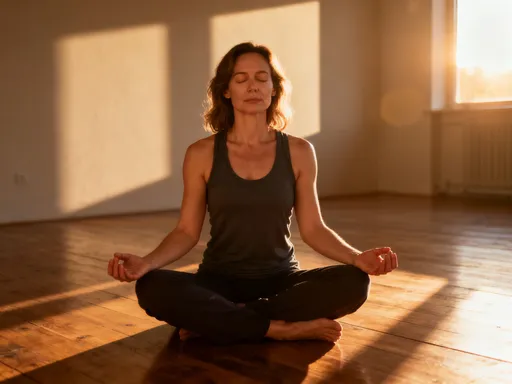
One of the most important pathways for this shift is the vagus nerve, the longest cranial nerve in the body. It runs from the brainstem down through the chest and into the abdomen, connecting to major organs. When stimulated, it helps slow the heart rate, lower blood pressure, and reduce inflammation. Deep, slow breathing, humming, and gentle movement are all natural ways to activate the vagus nerve. This is why practices like yoga, meditation, and breathwork are so effective—they aren’t just calming in a general sense; they directly influence the nervous system’s balance.
Recognizing this mind-body link transforms how you approach anxiety. Instead of waiting for your thoughts to change before you feel better, you can start by changing your physical state. Even small adjustments—like relaxing your jaw, softening your shoulders, or taking a few slow breaths—can begin to shift your internal environment. Over time, these actions retrain your body’s response to stress, making it easier to return to calm. The body remembers safety, and with repetition, it can learn to access that state more readily.
Breath as Your First Tool: Simple Techniques That Actually Work
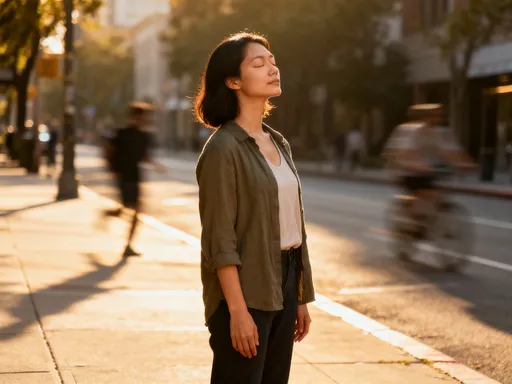
Breathing is something we do automatically, but when anxiety strikes, it often becomes shallow and rapid—centered in the chest rather than the belly. This type of breathing signals danger to the brain, reinforcing the stress response. The good news is that you can use breath as a direct tool to interrupt this cycle. By shifting to slow, deep, diaphragmatic breathing, you send a clear message to your nervous system that you are safe. This is not a mystical practice; it’s grounded in physiology and accessible to anyone, anywhere.
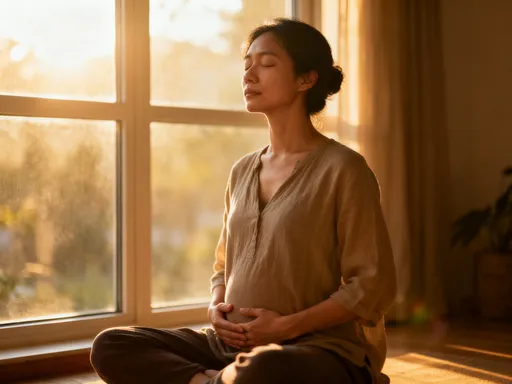
Diaphragmatic breathing, also known as belly breathing, involves using the diaphragm—a large muscle beneath the lungs—rather than the chest muscles. When you breathe this way, your abdomen rises and falls with each breath, allowing for fuller oxygen exchange and greater activation of the parasympathetic nervous system. To practice, sit or lie down comfortably, place one hand on your chest and the other on your belly. Inhale slowly through your nose, feeling your belly rise while keeping your chest still. Exhale gently through your mouth, allowing your belly to fall. Even a few minutes of this can reduce heart rate and create a sense of calm.
One of the most effective and easy-to-remember techniques is the 4-7-8 method. Inhale quietly through your nose for a count of four, hold your breath for a count of seven, and exhale slowly and completely through your mouth for a count of eight. This pattern extends the exhale, which is particularly calming because it stimulates the vagus nerve. You don’t need to be perfect—just consistent. Even if you’re off by a second or two, the rhythm itself is what matters. I first used this during a moment of overwhelm at the grocery store, standing in the cereal aisle, heart racing. Two rounds of 4-7-8 brought me back to myself.
What makes breathwork so powerful is its immediacy. Unlike long-term strategies that take weeks to show results, breathing can offer relief within minutes. It’s always available—no app, no equipment, no special setting required. The key is practice. Doing it only in moments of crisis makes it harder to access when you need it most. Building a daily habit, even for just two or three minutes, trains your body to respond more quickly. Over time, you’ll find that you can shift your state with a single conscious breath. That’s not magic—it’s mastery of a natural tool you already possess.
Movement That Soothes: Gentle Physical Practices for Anxious Minds
When anxiety takes hold, the instinct may be to sit still or withdraw, but gentle movement can be one of the most effective ways to release tension and restore balance. Exercise doesn’t have to mean intense workouts or gym sessions. For those managing anxiety, low-impact, rhythmic activities are often more beneficial. Walking, stretching, yoga, and tai chi offer a way to reconnect with the body in a gentle, non-demanding way. These practices combine physical motion with breath awareness, creating a moving meditation that calms the nervous system.
Walking, especially in nature, has been shown to reduce rumination—the repetitive, negative thinking that often accompanies anxiety. The rhythm of footsteps, the sensation of air on the skin, and the changing scenery all help ground the mind in the present moment. Even a 10-minute walk around the block can shift your mood. The key is not speed or distance, but presence. Pay attention to your breath, the feel of your feet on the ground, the sounds around you. This mindful approach turns a simple activity into a therapeutic practice.
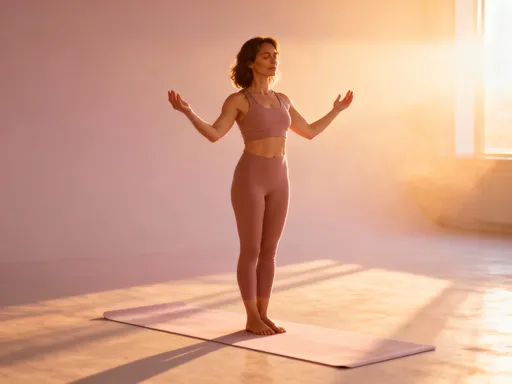
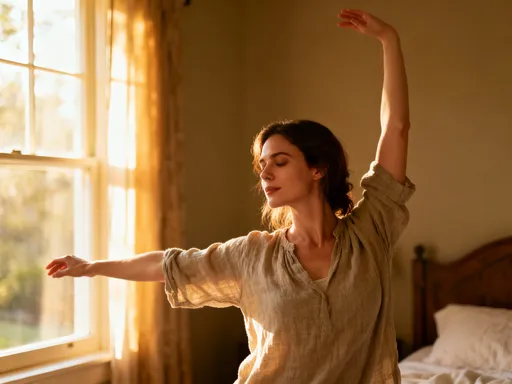
Stretching is another accessible way to release physical tension. Anxiety often settles in the neck, shoulders, and jaw—areas where we hold stress. Gentle neck rolls, shoulder shrugs, and forward folds can help loosen these areas. Pairing stretches with slow breathing enhances their calming effect. Yoga takes this further by linking movement with breath in a structured sequence. You don’t need to master complex poses; even basic postures like child’s pose or seated forward bend can provide deep relaxation. Many beginners find that following a short video or audio guide helps them stay consistent without feeling overwhelmed.
Tai chi, often described as “meditation in motion,” uses slow, flowing movements to improve balance, focus, and emotional regulation. Its emphasis on breath, alignment, and intention makes it particularly well-suited for anxious minds. Research has shown that regular practice can reduce symptoms of anxiety and improve sleep quality. The beauty of these practices is that they meet you where you are. You don’t need special equipment, a lot of time, or prior experience. Starting with just five minutes a day makes them sustainable. Over time, they become not just a routine, but a refuge—a place where your body and mind can come back into harmony.
Rethinking Your Routine: Small Daily Shifts That Support Mental Calm
Anxiety doesn’t exist in a vacuum. It’s influenced by the rhythms of your daily life—the quality of your sleep, what you eat, how much water you drink, and how you structure your time. While these factors won’t eliminate anxiety on their own, they create the foundation for greater resilience. Think of them as the background settings on a device: if they’re off, even the best apps won’t run smoothly. By making small, consistent adjustments to your routine, you support your nervous system’s ability to stay balanced.
Sleep is one of the most critical factors. Poor or inconsistent sleep can heighten anxiety, making it harder to regulate emotions and increasing sensitivity to stress. Sleep hygiene—practices that promote restful sleep—can make a significant difference. Going to bed and waking up at the same time each day, even on weekends, helps regulate your internal clock. Creating a wind-down routine—such as turning off screens an hour before bed, dimming the lights, or reading a book—signals to your body that it’s time to rest. Keeping the bedroom cool, dark, and quiet also supports deeper sleep.
Hydration is another often-overlooked element. Even mild dehydration can affect mood, focus, and energy levels. When the body is dehydrated, it produces more cortisol, the stress hormone, which can worsen anxiety. Drinking water throughout the day—especially first thing in the morning—helps maintain balance. Limiting stimulants like caffeine and alcohol is equally important. Caffeine can increase heart rate and mimic anxiety symptoms, while alcohol, though it may seem calming at first, can disrupt sleep and mood over time.
Structure and predictability also play a key role. Anxiety often thrives in uncertainty. Knowing what to expect—even in small ways—can reduce the mental load. Simple habits like starting the day with morning light exposure help regulate circadian rhythms and boost mood. Ending the day with a quiet ritual—such as journaling, sipping herbal tea, or listening to soft music—creates a buffer between the busyness of the day and the stillness of sleep. These aren’t rigid rules, but gentle guideposts that help you move through your day with more ease. They won’t fix everything, but they build a stable environment where healing can happen.
The Power of Awareness: How Mindfulness Builds Emotional Resilience
Mindfulness is the practice of paying attention to the present moment without judgment. It’s not about stopping thoughts or achieving a blank mind; it’s about changing your relationship with your thoughts. For someone dealing with anxiety, this shift can be transformative. Instead of getting caught in the current of worry, you learn to observe it from the shore. You begin to see thoughts as passing events in the mind, not facts or commands. This creates space—space to choose how you respond, rather than reacting automatically.
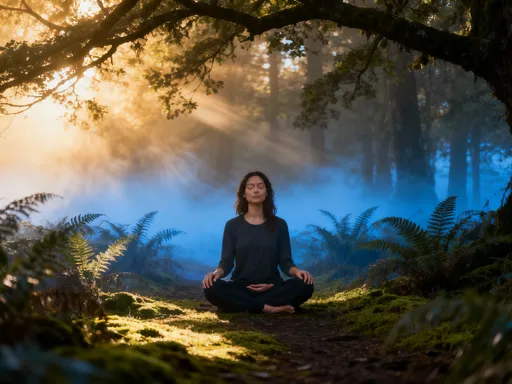
One of the most effective ways to build mindfulness is through body scans. This involves slowly directing your attention through different parts of the body, noticing sensations without trying to change them. It might start at the toes and move upward, or begin at the head and travel down. The goal isn’t relaxation, though that often follows; it’s awareness. When you tune into physical sensations, you ground yourself in the present, away from future fears or past regrets. Even five minutes a day can strengthen this skill.
Mindful walking is another accessible practice. Instead of walking to get somewhere, you walk to notice—feeling each step, the shift of weight, the contact with the ground. Journaling can also support mindfulness by helping you externalize thoughts. Writing down worries, without editing or analyzing, allows you to see them more clearly. Over time, you may notice patterns—certain triggers, recurring fears, or unhelpful beliefs. This awareness is the first step toward change.
The benefits of mindfulness accumulate with practice. Studies have shown that regular mindfulness practice can reduce activity in the amygdala, the brain’s fear center, while strengthening the prefrontal cortex, which is involved in decision-making and emotional regulation. This means you become less reactive and more thoughtful in your responses. You don’t stop feeling anxious, but you stop being ruled by it. Mindfulness isn’t a quick fix, but a lifelong skill—one that grows stronger with patience and repetition. It teaches you that you are not your thoughts, and that calm is always available, even in the midst of chaos.
When to Reach Out: Knowing the Difference Between Self-Care and Needing Support
Self-care practices are powerful, but they are not a substitute for professional help when it’s needed. There is a difference between managing everyday anxiety and dealing with overwhelming, persistent symptoms that interfere with functioning. If anxiety is making it difficult to work, maintain relationships, or enjoy life—if it’s leading to avoidance, panic attacks, or thoughts of hopelessness—it may be time to seek guidance. This is not a sign of failure, but of strength. Recognizing your limits and asking for help is one of the bravest things you can do.
Therapy and evidence-based treatments offer tools and insights that go beyond what self-help strategies can provide. A trained professional can help you understand the root causes of your anxiety, develop coping skills, and work through past experiences that may be contributing to your current state. These approaches are not about “fixing” you; they’re about supporting your growth and well-being. Many people find that combining self-care with professional care leads to the most sustainable progress.
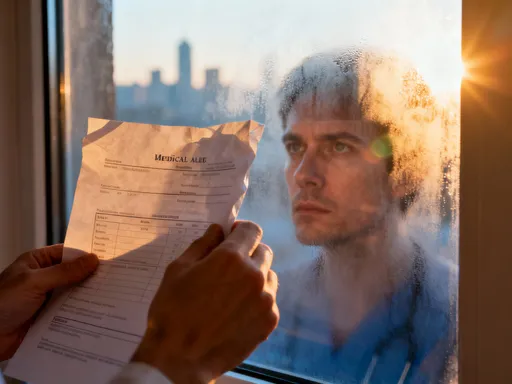
It’s also important to remember that anxiety can sometimes be linked to medical conditions, such as thyroid imbalances or hormonal changes, which require evaluation by a healthcare provider. A thorough assessment ensures that all possible factors are considered. Medication, when appropriate, can be a helpful part of treatment, allowing the brain and body to stabilize so that other strategies can take root. The decision to use medication should be made in consultation with a qualified professional, based on individual needs and preferences.
Help-seeking is not weakness—it’s wisdom. Just as you would see a doctor for a physical injury, it’s wise to seek support for mental health. The goal is not to eliminate anxiety completely, but to live well in spite of it. With the right combination of self-awareness, daily practices, and professional support when needed, it is possible to find greater peace and resilience. You don’t have to do it all alone, and you don’t have to do it perfectly. Progress is not linear, but every step forward counts.
Conclusion: Small Steps, Steady Progress – Making Calm a Habit
Anxiety may feel overwhelming, but relief is possible through small, consistent actions. The journey doesn’t require dramatic changes or immediate results. It begins with breath, with movement, with routine, and with awareness. These are not quick fixes, but lifelong practices that build resilience over time. By learning to regulate your nervous system, you reclaim a sense of agency. You learn that you are not at the mercy of your thoughts or sensations.
Progress is gradual and deeply personal. Some days will be easier than others, and that’s okay. What matters is showing up, even in small ways. A single conscious breath, a short walk, a moment of stillness—these are the building blocks of calm. They may seem insignificant in the moment, but over time, they create a new baseline. You begin to notice that the waves of anxiety don’t pull you under as easily. You recover more quickly. You feel more grounded.
Be patient with yourself. Healing is not a race. Self-compassion is essential—treat yourself with the same kindness you would offer a friend. There is no perfect way to manage anxiety, only your way. Celebrate small victories. Notice when you choose calm over chaos, even once. These moments add up.
Mental wellness is not a destination; it’s a practice. It’s not about never feeling anxious again, but about knowing how to return to balance. You already have the tools within you—your breath, your body, your awareness. With time and care, you can learn to use them with confidence. Calm is not something you find outside yourself. It’s something you cultivate, moment by moment, breath by breath. And it’s always within reach.