Pilates Changed My Life — But My Diet Almost Ruined It
You start Pilates, feel stronger, more flexible, and finally in tune with your body — but something’s off. I was there. Despite nailing every class, I felt drained, sore longer than I should, and barely saw progress. Turns out, it wasn’t the workout — it was what I ate around it. What I discovered? The right dietary combination can make or break your Pilates journey. This is what no one warned me about — and what could be holding you back too.
The Pilates Promise — And Why Results Feel Slow
Pilates is often celebrated for its ability to transform the body with grace and precision. Unlike high-impact workouts that rely on speed and force, Pilates emphasizes control, alignment, and sustained muscle engagement. It builds deep core strength, enhances flexibility, and fosters a powerful mind-body connection. When practiced consistently, it can improve posture, reduce back pain, and increase overall physical awareness. Many women in their 30s to 50s turn to Pilates as a sustainable way to stay strong, mobile, and centered — especially during life transitions like parenting, menopause, or returning to fitness after injury.
Yet, despite these benefits, many practitioners report feeling stalled. They attend classes religiously, follow instructors’ cues, and even practice at home — yet the expected changes in strength, tone, and energy don’t materialize. Some notice they’re not recovering as quickly as they’d like, or that their focus wanes mid-session. Others feel their progress plateauing after an initial burst of improvement. This disconnect between effort and outcome often leads to frustration, and in some cases, people quietly quit, assuming Pilates “just isn’t for them.”
But the truth is, Pilates rarely fails. What often fails is the supporting system — particularly nutrition. The body needs adequate fuel to repair muscle fibers, replenish energy stores, and maintain neurological focus during precise movements. Without proper dietary support, even the most dedicated practice can fall short. Pilates may be low-impact, but it’s high-demand when it comes to muscular endurance and coordination. Ignoring what you eat before and after class is like driving a car without refilling the tank — eventually, performance will decline, no matter how well-engineered the engine.
Understanding this missing link is crucial. Nutrition isn’t a side effect of fitness — it’s a core component. For Pilates to deliver on its promise, the body must be properly nourished. This isn’t about restrictive diets or calorie counting; it’s about alignment. Just as Pilates teaches balance in movement, your diet should reflect balance in intake. When exercise and nutrition work together, transformation becomes not only possible but sustainable.
My Wake-Up Call: When Energy Crashed Mid-Session
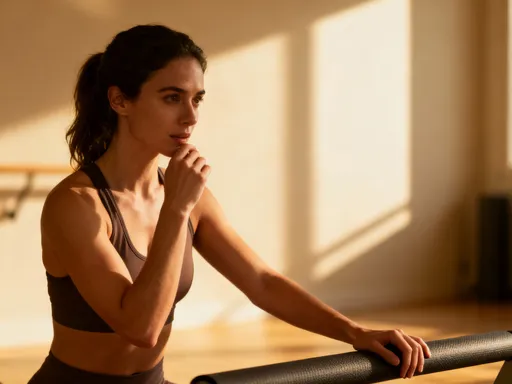
I had been practicing Pilates three times a week for nearly six months. At first, the changes were exciting — I stood taller, moved with more ease, and felt a new sense of physical confidence. But over time, something shifted. One morning, during a routine I’d done countless times, I found myself struggling to lift my leg into a basic teaser position. My arms trembled during the spine stretch, and halfway through the class, I had to pause, sitting on the mat, feeling lightheaded and strangely defeated.
That moment shook me. I wasn’t injured. I wasn’t stressed. I wasn’t skipping classes. So why was my body failing me? I began paying closer attention to how I felt outside of class. I noticed I was often tired by mid-afternoon, even after a full night’s sleep. My muscles stayed sore for days, not the usual 24 to 48 hours. I was more irritable than usual, and my concentration at work had dipped. At first, I blamed aging or a busy schedule. But deep down, I knew something else was at play.
It wasn’t until I reviewed my eating habits that the pattern emerged. I was eating what I thought was “clean” — lots of leafy greens, cucumber salads, and herbal teas. I avoided carbs, fearing they’d lead to bloating, and I rarely ate red meat or eggs, believing they were too heavy. My meals were light, sometimes too light. I skipped breakfast often, thinking intermittent fasting would help me lean out. I wasn’t tracking calories, but I was undereating — significantly.
The realization hit hard: my body wasn’t getting the nutrients it needed to recover from the very workouts I was relying on to feel strong. I had confused discipline with deprivation. Pilates was asking my muscles to work deeply and consistently, but I wasn’t giving them the building blocks to repair and grow. My energy crashes weren’t a sign of weakness — they were a signal. My plate, not my practice, was the problem.
The Top Dietary Mistakes Pilates Practitioners Make
Many women who practice Pilates fall into the same dietary traps, often without realizing it. One of the most common is undereating — the belief that doing more exercise means eating less food. This mindset is especially prevalent among those trying to lose weight or tone up. But when calorie intake drops too low, the body enters a conservation state. Muscle repair slows, metabolism dips, and energy levels plummet. For a practice like Pilates that relies on sustained muscular effort, this can be crippling. Without enough fuel, the body cannibalizes muscle tissue for energy, undermining the very strength Pilates aims to build.
Another widespread mistake is over-relying on salads and raw vegetables while neglecting protein and healthy fats. A lunch of plain spinach, tomatoes, and lemon juice may seem virtuous, but it lacks the macronutrients needed for recovery. Protein is essential for muscle repair, and without it, soreness lingers and progress stalls. Healthy fats, such as those found in avocado, nuts, and olive oil, support hormone balance and joint health — critical for maintaining mobility and reducing inflammation. Skipping these components leaves the body undernourished, no matter how “clean” the food appears.
Poor meal timing is a third, often overlooked issue. Eating a heavy meal right before class can cause discomfort and sluggishness, but going into a session on an empty stomach can lead to dizziness and poor performance. Similarly, waiting too long to eat after class delays recovery. The body has a golden window of about 30 to 60 minutes post-exercise when it’s most receptive to nutrient absorption. Missing this window means slower muscle repair and increased fatigue the next day. Strategic timing — a small, balanced snack before class and a complete meal within an hour after — can make a dramatic difference in how you feel and perform.
Why Balanced Fueling Beats Extreme Diets Every Time
In a world full of diet trends — keto, paleo, vegan, intermittent fasting — it’s easy to believe that extreme approaches yield the best results. But for Pilates practitioners, balance is far more effective than restriction. The body thrives on a mix of macronutrients that work together to support energy, repair, and focus. Complex carbohydrates, such as oats, sweet potatoes, and brown rice, provide steady glucose release, fueling the nervous system and muscles during prolonged engagement. Lean proteins like chicken, fish, tofu, and Greek yogurt supply amino acids that rebuild muscle fibers stressed during Pilates. Healthy fats from sources like nuts, seeds, and fatty fish support brain function and reduce inflammation.
What makes this synergy powerful is how these nutrients interact with the unique demands of Pilates. Unlike explosive workouts that deplete glycogen rapidly, Pilates uses slow, controlled movements that rely on muscular endurance. This means the body needs a steady supply of energy, not a sudden burst. Complex carbs deliver that sustained fuel. At the same time, the deep core activation and isometric holds in Pilates create micro-tears in muscle tissue — a normal and necessary part of strengthening. Protein is essential for repairing these tears, allowing muscles to grow denser and more resilient over time.
Additionally, the mind-body focus central to Pilates requires mental clarity and emotional stability. Blood sugar swings from skipping meals or eating too many refined sugars can lead to brain fog, irritability, and lack of concentration — all of which disrupt the mindful execution of movements. A balanced plate helps maintain stable blood sugar, supporting not just physical performance but cognitive engagement. When nutrition aligns with the holistic nature of Pilates, the practice becomes not just a workout, but a true form of self-care.
Smart Dietary Combinations That Actually Work
Applying balanced nutrition to a Pilates routine doesn’t require a complete diet overhaul. Small, strategic choices can yield significant results. Before class, aim for a light snack that combines carbohydrates and protein to stabilize blood sugar and prevent energy crashes. A banana with a tablespoon of almond butter, a small bowl of oatmeal with a few walnuts, or a slice of whole-grain toast with hummus are all excellent options. These provide quick energy from carbs and sustained release from fats and protein, helping you stay focused and strong throughout the session.
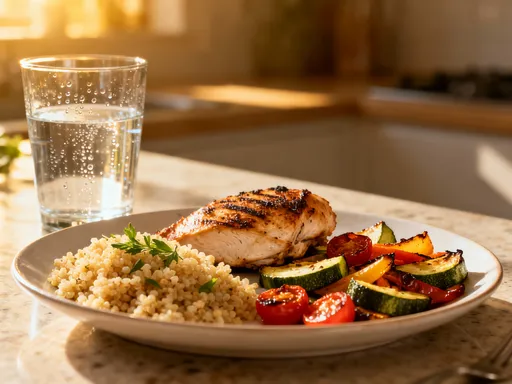
After class, the goal shifts to recovery. A meal rich in lean protein, complex carbs, and vegetables helps replenish glycogen stores, repair muscle tissue, and reduce soreness. Examples include grilled salmon with quinoa and steamed broccoli, a chicken and sweet potato bowl with spinach, or a tofu stir-fry with brown rice and mixed vegetables. Including a source of healthy fat, such as olive oil or avocado, enhances nutrient absorption and supports joint health. The key is to eat within an hour of finishing your session to take advantage of the body’s heightened metabolic state.
Throughout the day, spacing meals and snacks every three to four hours helps maintain energy and prevent overeating later. This rhythm supports posture and focus by keeping blood sugar steady. Hydration is equally important — drinking water consistently, especially with a pinch of salt or a slice of lemon, helps maintain electrolyte balance and muscle function. Herbal teas like ginger or peppermint can aid digestion and reduce bloating, contributing to a flatter, more comfortable core — something many Pilates enthusiasts appreciate.
Listening to Your Body — Not the Hype
With so many diet trends promoted online, it’s easy to lose sight of what your own body needs. What works for one person may not work for another. Veganism, for example, can be healthy if well-planned, but without sufficient protein and B12, it may lead to fatigue and muscle loss — counterproductive for Pilates. Ketogenic diets, which are very low in carbs, may impair endurance and focus, especially during longer sessions. Intermittent fasting can disrupt energy levels if not timed properly around workouts.
Instead of following trends, tune into your body’s signals. Are you waking up refreshed, or do you feel groggy? Can you complete your Pilates routine with control and ease, or do you hit a wall halfway through? How long does soreness last? Do you feel mentally sharp during the day, or foggy and distracted? These are all indicators of whether your diet is supporting your practice.
A simple self-check can help: rate your energy, recovery, and focus on a scale of 1 to 10 each week. If numbers are consistently low, it’s time to reevaluate your eating habits. You don’t need perfection — just awareness. Adjusting portion sizes, adding a protein source to meals, or shifting meal times can make a noticeable difference. The goal isn’t to fit into a dietary label, but to feel strong, resilient, and in tune with your body — just like Pilates teaches.
Putting It All Together: A Sustainable Approach
True transformation comes not from quick fixes, but from consistent, mindful choices. Pilates is a practice of patience and presence, and so should be your approach to nutrition. Building a flexible eating pattern means choosing whole, nourishing foods most of the time, without guilt or rigidity. It means understanding that a slice of cake at a birthday party won’t ruin progress, just as skipping a meal won’t undo your hard work — but patterns matter.
Start with small, realistic swaps. Replace sugary cereal with oatmeal topped with berries and nuts. Add a hard-boiled egg to your salad for protein. Swap soda for sparkling water with lemon. These changes don’t require a meal plan or calorie tracking — just intention. Over time, they become habits that naturally support your Pilates practice.
Remember, Pilates isn’t just about what you do on the mat. It’s about cultivating awareness, control, and balance in all areas of life. When you extend those principles to your kitchen, you create a foundation for lasting change. You don’t need to be perfect. You just need to be consistent, kind to yourself, and willing to listen. When movement and nutrition align, the results go beyond physical appearance — they show up as energy, confidence, and a deeper connection to your body.
Pilates teaches control, awareness, and balance. But true transformation happens when those principles extend beyond the mat and into your kitchen. It’s not about strict rules or quick fixes — it’s about making choices that support what your body is trying to do. Once I aligned my plate with my practice, everything changed: more energy, faster recovery, real progress. Your diet isn’t separate from your fitness — it’s the foundation. Get that right, and your Pilates journey won’t just continue — it’ll thrive.