How I Learned to Spot Trouble Early — A Real Talk on Staying Ahead of Health Issues
You don’t have to wait for symptoms to take charge of your health. I used to think doctor visits were only for when something felt wrong—until I learned how early detection can quietly change outcomes. This isn’t about fear; it’s about awareness. With simple, consistent steps, you can catch warning signs long before they become crises. Let’s walk through what really works, based on real insight and science—always alongside professional care.
The Wake-Up Call: Why Waiting Until You’re Sick Is Risky
For years, I believed that as long as I wasn’t in pain or feeling unwell, my body was functioning just fine. I only scheduled doctor visits when a symptom became impossible to ignore—like when a persistent headache turned into a full-blown migraine or when exhaustion made it hard to get through the day. Then, a close friend was diagnosed with high blood pressure during a routine check-up. She hadn’t felt any obvious signs. No dizziness, no chest pain—just a slight fatigue she had attributed to being busy. Yet, her blood pressure reading was dangerously elevated, putting her at increased risk for heart disease and stroke. That moment was a wake-up call. It made me realize that many serious health conditions develop silently, without clear warning signs until significant damage has occurred.
One of the most common misconceptions about health is that feeling fine means everything is fine. Unfortunately, this belief can be misleading. Conditions like hypertension, type 2 diabetes, and high cholesterol often progress without noticeable symptoms in their early stages. According to the Centers for Disease Control and Prevention (CDC), nearly half of all adults in the United States have high blood pressure, and about one in four don’t know they have it. Similarly, more than 8 million Americans are estimated to have undiagnosed diabetes. These conditions can quietly harm the body for years—damaging blood vessels, nerves, and organs—before a person ever feels unwell.
The cost of delayed diagnosis extends beyond physical health. Financially, treating advanced stages of chronic disease is significantly more expensive than early intervention. A diagnosis of late-stage diabetes may require insulin therapy, frequent medical visits, and management of complications like vision loss or kidney disease. In contrast, early detection allows for lifestyle adjustments and monitoring that can delay or even prevent the onset of such complications. Emotionally, discovering a serious condition after years of silent progression can be overwhelming. The sense of lost time and missed opportunities for prevention often adds stress to an already difficult situation.
Waiting until symptoms appear also reduces the window for effective action. For example, prediabetes—a condition where blood sugar levels are higher than normal but not yet diabetic—can often be reversed with diet, exercise, and weight management. However, once type 2 diabetes develops, the focus shifts from reversal to long-term management. The same principle applies to cardiovascular health. Plaque buildup in arteries can be slowed or stabilized with early intervention, but reversing advanced atherosclerosis is far more challenging. By recognizing that health is not just the absence of symptoms, but the result of ongoing care, we can shift from reactive to proactive habits that support long-term well-being.
What Early Detection Really Means (And What It Doesn’t)
Early detection is the practice of identifying health changes before symptoms emerge. It’s not about self-diagnosing or searching for illness in every ache and pain. Instead, it’s about understanding your body’s baseline and noticing meaningful shifts over time. This approach relies on regular monitoring, informed awareness, and collaboration with healthcare providers. It means paying attention to patterns—like gradual changes in energy levels, weight, or lab results—rather than reacting to isolated incidents. The goal is not to create anxiety, but to gather information that empowers better decisions.
It’s important to distinguish between screening, monitoring, and diagnosing. Screening refers to tests done in people without symptoms to detect potential health issues early—like mammograms for breast cancer or blood pressure checks for hypertension. Monitoring involves tracking known conditions or risk factors over time, such as checking cholesterol levels annually. Diagnosing, on the other hand, is the process a healthcare provider uses to confirm a condition after symptoms or abnormal screening results appear. Early detection focuses primarily on screening and monitoring, not on making medical conclusions on your own.
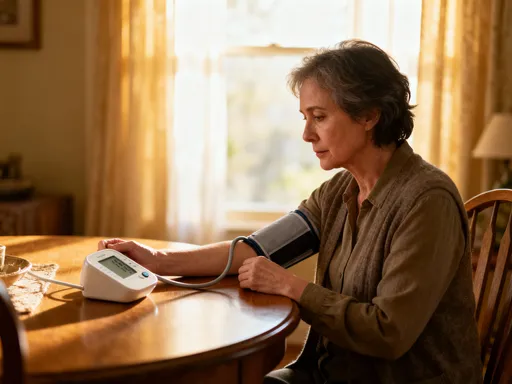
For example, tracking your blood pressure at home can reveal trends that a single reading might miss. A person might have normal readings during doctor visits but elevated levels at home—a condition known as white coat hypertension or masked hypertension. Similarly, fasting glucose and HbA1c tests can identify prediabetes before symptoms develop. Cholesterol panels provide insight into heart disease risk by measuring LDL, HDL, and triglycerides. These numbers, when viewed over time, offer a clearer picture than any single test result. They help both you and your doctor assess risk and determine whether lifestyle changes or medical intervention are needed.
Early detection does not mean obsessing over every minor fluctuation. It’s not about turning health into a constant source of worry. Instead, it’s about building a routine of informed awareness. This includes understanding what your test results mean, knowing when to follow up, and recognizing that some variation is normal. It also means avoiding the temptation to self-diagnose based on internet searches or symptom checkers. The role of early detection is to raise questions, not answer them alone. When used correctly, it becomes a tool for meaningful conversations with healthcare professionals, leading to timely and appropriate care.
Your Body’s Subtle Signals—Learning to Listen
The human body often sends early warnings before a condition becomes serious. These signals are not always dramatic—sometimes they are quiet shifts that blend into daily life. Fatigue that doesn’t improve with rest, changes in sleep patterns, or unexplained shifts in appetite can all be clues. For many women, especially those in their 30s to 50s, these changes are often dismissed as part of aging, stress, or busy schedules. But when these patterns persist, they may indicate underlying imbalances such as hormonal shifts, thyroid issues, or early metabolic changes.
Skin, mood, and digestion are also powerful indicators of internal health. Dry skin, brittle nails, or sudden acne breakouts can reflect nutrient deficiencies or hormonal fluctuations. Mood changes, such as increased irritability or low motivation, may be linked to sleep quality, blood sugar swings, or thyroid function. Digestive issues like bloating, constipation, or inconsistent bowel movements can signal food sensitivities, gut microbiome imbalances, or early signs of conditions like irritable bowel syndrome. While these symptoms alone do not confirm a diagnosis, they serve as prompts to look deeper.
One of the most effective ways to tune into these signals is by keeping a simple health journal. This doesn’t need to be elaborate—just a few notes each week about energy levels, sleep quality, digestion, mood, and any physical changes. Over time, patterns emerge. For instance, noticing that fatigue worsens after certain foods may suggest a sensitivity. Tracking menstrual cycles alongside energy and mood can reveal hormonal trends. Recording blood pressure or weight at home adds objective data to subjective feelings. This journal becomes a personal health record that you can share with your doctor, making visits more productive and insightful.
It’s also important to recognize that “normal” varies from person to person. What feels typical for one individual may be a red flag for another. For example, someone who has always had low blood pressure might feel dizzy at 110/70, while another person feels fine at that level. Similarly, a slight weight gain might be insignificant for one person but could signal a thyroid issue for someone with a history of autoimmune conditions. Learning your personal baseline—what your body usually feels like—helps you identify when something is truly out of alignment. This self-awareness is not about hypervigilance, but about respectful attention to your body’s messages.
Smart Screenings: What to Ask For (And When)
Regular health screenings are a cornerstone of early detection. They are designed to catch potential issues before symptoms arise, especially for conditions that progress silently. While specific recommendations vary based on age, family history, and lifestyle, there are general guidelines that apply to most adults. Blood pressure checks should be done at least every two years for those with normal readings, and more frequently if readings are elevated. Cholesterol screening is typically recommended every four to six years for adults over 20, though more frequent testing may be needed for those with risk factors like obesity or a family history of heart disease.
Blood work is one of the most informative tools available. A basic panel often includes fasting glucose, which helps identify insulin resistance or prediabetes; lipid profile, which assesses heart disease risk; and a complete blood count (CBC), which can detect anemia or infection. Liver and kidney function tests are also commonly included. Understanding these numbers empowers you to ask informed questions. For example, an HbA1c level between 5.7% and 6.4% indicates prediabetes, a critical window for intervention. Knowing this allows for timely lifestyle changes that may prevent progression to diabetes.
Imaging and other tests play a role, but should be used wisely. Mammograms are recommended for most women starting at age 40 to 50, depending on risk factors. Bone density scans help detect osteoporosis in postmenopausal women. However, overuse of imaging can lead to unnecessary anxiety or procedures. The key is balance—following evidence-based guidelines without overtesting. This requires open communication with your doctor about your personal risk factors and preferences.
Talking to your doctor about proactive checks can feel intimidating, especially if you’ve always waited for symptoms. A good approach is to frame the conversation around prevention. You might say, “I’d like to stay ahead of my health—what screenings do you recommend based on my age and family history?” or “I’ve been tracking my blood pressure at home, and I’d like to review the trends with you.” This positions you as an engaged partner in your care, not someone seeking unnecessary tests. Most healthcare providers appreciate patients who take initiative, as it leads to better outcomes and more meaningful visits.
Lifestyle as a Detection Tool: Daily Habits That Reveal More Than You Think
Daily habits offer valuable insights into your health. How your body responds to exercise, sleep, and food can reveal underlying imbalances long before a doctor’s visit. For example, heart rate and recovery time after physical activity are strong indicators of cardiovascular fitness. If you notice that your heart rate stays elevated longer than usual or that you feel unusually fatigued after a routine workout, it could signal dehydration, stress, or even an emerging heart condition. Similarly, a sudden drop in endurance—like struggling to walk up stairs you used to climb easily—deserves attention.
Sleep quality is another powerful metric. Chronic poor sleep is linked to a range of health issues, including weight gain, insulin resistance, depression, and weakened immunity. Tracking sleep patterns—how long it takes to fall asleep, how often you wake up, and how rested you feel—can help identify issues like sleep apnea or hormonal imbalances. Many women in midlife experience changes in sleep due to perimenopause, but persistent insomnia or nighttime awakenings should not be accepted as inevitable. They may indicate a need for further evaluation.
Food sensitivities and energy crashes are also worth noting. If you consistently feel sluggish or bloated after eating certain foods, it could point to a sensitivity, even if not a full allergy. Common triggers include gluten, dairy, and processed sugars. While this doesn’t mean you should eliminate entire food groups without guidance, it does suggest paying attention to how your body responds. Keeping a simple food and symptom log for a week or two can reveal patterns that are easy to miss in daily life.
Wearable technology, like fitness trackers and smartwatches, can enhance this awareness when used wisely. These devices track heart rate, sleep stages, activity levels, and even blood oxygen. The key is to focus on trends, not single data points. A high heart rate one night might be due to stress or a late meal, but a consistent upward trend over weeks is more meaningful. Similarly, a drop in deep sleep over time could signal an underlying issue. Wearables are not diagnostic tools, but they provide valuable data that, when combined with how you feel, can guide conversations with your doctor.
Breaking the “I’m Too Young” or “I Feel Fine” Myth
Many women believe that chronic diseases are only a concern later in life, or that as long as they feel fine, they don’t need to worry. However, recent trends show that conditions like type 2 diabetes, high blood pressure, and even heart disease are appearing at younger ages. The American Heart Association reports that the incidence of heart attacks in adults under 40 has been rising, particularly among women. This shift is linked to lifestyle factors such as sedentary behavior, poor diet, chronic stress, and lack of preventive care.
Family history plays a role, but it does not determine your fate. Having a parent with diabetes or heart disease increases your risk, but it doesn’t mean you will definitely develop the condition. Personal choices—diet, exercise, sleep, stress management—have a powerful influence on whether genetic risks are activated. Prevention is not just about avoiding disease; it’s about building resilience. A body that is well-nourished, active, and regularly monitored is better equipped to handle stress, recover from illness, and maintain balance over time.
Real stories highlight the impact of early action. One woman in her early 40s noticed a slight increase in her fasting glucose during a routine check-up. Though she felt fine, she worked with her doctor to adjust her diet and increase physical activity. Two years later, her levels had returned to normal, and she avoided a prediabetes diagnosis. Another woman, in her late 30s, started tracking her blood pressure at home after a family member’s stroke. She discovered she had consistently high readings and was able to begin treatment before any damage occurred. These stories are not rare—they are possible for anyone willing to pay attention.
Prevention is not a one-time event, but a lifelong practice. It doesn’t require perfection, just consistency. Small, sustainable changes—like walking daily, eating more whole foods, or scheduling regular check-ups—add up over time. The goal is not to eliminate all risk, but to reduce it meaningfully. By shifting the mindset from “I’ll deal with it when it happens” to “I’m taking care of myself now,” you create a foundation for long-term health that supports every role you play—as a mother, partner, professional, and individual.
Building Your Own Prevention Routine: Simple, Sustainable Steps
Creating a personal prevention routine doesn’t have to be overwhelming. Start with small, manageable habits that fit into your daily life. Monthly self-checks can include monitoring weight, checking blood pressure if you have a home monitor, and doing a quick skin and mole check. Pay attention to changes in energy, mood, or digestion. These simple observations help you stay connected to your body’s rhythms.
Yearly health milestones provide structure. Aim for an annual physical that includes blood work, blood pressure, and any age-appropriate screenings. Use this visit to review your health journal, discuss any concerns, and update your prevention plan. If you’re due for a mammogram, bone density scan, or colonoscopy, schedule it proactively. Think of these appointments as investments, not inconveniences.
Partnering with your doctor is essential. Prevention works best through shared decision-making. Come to appointments prepared with questions and observations. Be honest about lifestyle challenges—whether it’s difficulty exercising, stress eating, or lack of sleep. A good doctor will work with you, not judge you. They can offer practical advice, refer you to specialists if needed, and help you set realistic goals.
The final message is this: small actions today create long-term security. You don’t need to overhaul your life to make a difference. You just need to start—by listening, tracking, and engaging with your health in a consistent, informed way. Early detection is not about fear; it’s about empowerment. It’s about knowing that you have the tools to protect your well-being and that every choice you make matters. By staying ahead of health issues, you’re not just avoiding illness—you’re building a stronger, clearer future. And you don’t have to do it alone. Always remember: this journey works best hand-in-hand with healthcare professionals.