Glow Up Through Science: My Skincare Turnaround Story
Living with persistent skin concerns used to drain my confidence—until I shifted from quick fixes to a professional, science-backed approach. What changed? Understanding that true skincare isn’t about magic potions, but consistent, informed choices. This is how I took control, not as a dermatologist, but as someone who finally listened to the science. It wasn’t an overnight transformation, but a journey rooted in patience, education, and respect for how skin truly works. What began as frustration turned into empowerment, and that shift made all the difference.
The Hidden Struggle Behind Clear Skin
For years, recurring redness, uneven texture, and unexpected breakouts were just part of life. Many people assume these issues are temporary or caused by poor hygiene, stress, or diet alone. But the truth is more complex. Conditions like rosacea, eczema, and hormonal acne are not simply cosmetic flaws—they are medical skin disorders with biological roots. Rosacea, for example, involves chronic inflammation of the facial blood vessels and immune response, often triggered by environmental or lifestyle factors. Eczema, also known as atopic dermatitis, stems from a compromised skin barrier and immune dysregulation, leading to dryness, itching, and susceptibility to irritants. Hormonal acne is linked to androgen fluctuations that stimulate oil production and clog pores, particularly around the jawline and chin.
These conditions are often misunderstood because their symptoms appear on the surface, but their origins run deeper. Unlike occasional blemishes, they follow patterns and cycles, resist typical over-the-counter treatments, and can worsen without proper management. For many women in their 30s and beyond, hormonal shifts related to menstruation, pregnancy, or perimenopause can reignite or intensify skin issues that seemed resolved in youth. The emotional burden is real. Feeling self-conscious when meeting friends, avoiding photos, or spending excessive time covering imperfections can erode self-esteem over time. The frustration of trying product after product—only to see temporary relief or even worsening symptoms—can lead to hopelessness.
What’s often overlooked is that skin is the body’s largest organ, and like any organ, it can develop chronic conditions that require medical attention. Treating it as merely a canvas for beauty routines ignores its biological complexity. Recognizing that persistent skin issues are not a personal failing but a health concern is the first step toward meaningful change. This understanding reframes the goal: not instant perfection, but long-term stability, comfort, and resilience. When skin struggles are validated as legitimate health matters, the focus shifts from concealment to care, from shame to strategy.
Why Guesswork Makes Skin Problems Worse
In the age of social media, skincare advice is everywhere. Viral routines, celebrity endorsements, and influencer-recommended “miracle” products create the illusion that clear skin is just one serum away. But following trends without understanding your skin type or condition can do more harm than good. One of the most common mistakes is over-cleansing. Using strong foaming cleansers or scrubbing aggressively may feel like you’re getting a deep clean, but it strips away natural oils and damages the skin barrier. This can lead to increased sensitivity, dehydration, and ironically, more breakouts as the skin overproduces oil to compensate.
Another widespread misconception is the idea that more active ingredients equal better results. Layering multiple potent actives—like retinoids, acids, and vitamin C—without proper spacing or skin tolerance can overwhelm the skin. This “skincare maximalism” often leads to irritation, redness, and inflammation, especially in those with sensitive or compromised skin. Some may even develop contact dermatitis from repeated exposure to irritating formulations. The belief that natural or organic products are inherently safer is also misleading. Many plant-based ingredients, such as essential oils or citrus extracts, are highly sensitizing and can trigger flare-ups in conditions like rosacea or eczema.
Self-diagnosis is another pitfall. Typing symptoms into a search engine often leads to alarming conclusions or misidentification. For instance, mistaking rosacea for acne may lead someone to use harsh acne treatments that worsen redness and inflammation. Similarly, using steroid creams without medical guidance can provide short-term relief but cause long-term damage, including skin thinning and rebound flares. Reactive skincare—responding to each breakout or flare with a new product—creates a cycle of instability. Without understanding triggers, patterns, or underlying causes, it’s impossible to build a sustainable routine. The key is not to chase every trend, but to observe, learn, and respond with intention. Skincare should be informed, not impulsive.
Seeing a Dermatologist Changed Everything
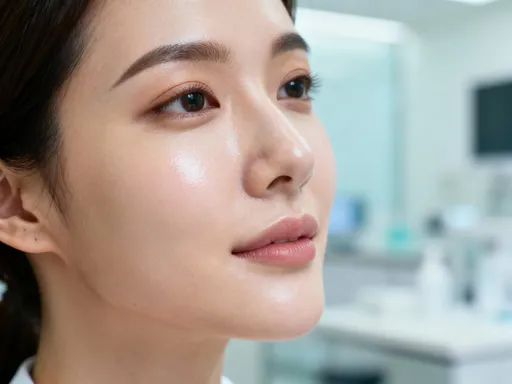
The turning point came when I stopped relying on online forums and made an appointment with a board-certified dermatologist. Walking into that office, I expected a quick prescription and a list of products. What I received was far more valuable: a thorough evaluation, an accurate diagnosis, and a sense of relief. The dermatologist reviewed my medical history, asked detailed questions about my symptoms, lifestyle, and product use, and examined my skin under magnified light. This clinical assessment ruled out other conditions and confirmed that what I was experiencing was a combination of hormonal acne and early-stage rosacea—two conditions that require different management strategies.
What surprised me most was how much the consultation focused on education. The dermatologist explained how my skin’s barrier function was impaired, how inflammation played a central role, and why certain ingredients were helping or harming me. This wasn’t about selling a product; it was about building a treatment plan based on science. Early detection made a significant difference. Because rosacea was caught before it progressed to persistent redness or visible blood vessels, we could intervene with gentle, preventive measures. For hormonal acne, we discussed both topical and potential hormonal therapies, such as oral contraceptives or spironolactone, which target the root cause rather than just the symptoms.
Seeing a dermatologist transformed my perspective. Skincare was no longer a guessing game or a beauty ritual—it became part of my health care routine, just like dental checkups or annual physicals. It also gave me permission to stop feeling guilty about needing medical help. There’s no shame in treating a skin condition with medical guidance, just as there’s no shame in wearing glasses for vision or using inhalers for asthma. Dermatologists are trained to identify subtle signs that non-professionals might miss, and their expertise ensures that treatment is safe, effective, and tailored. This shift—from cosmetic concern to health management—was empowering. It placed me back in control, but with the right support.
Building a Medical-Grade Routine Step by Step
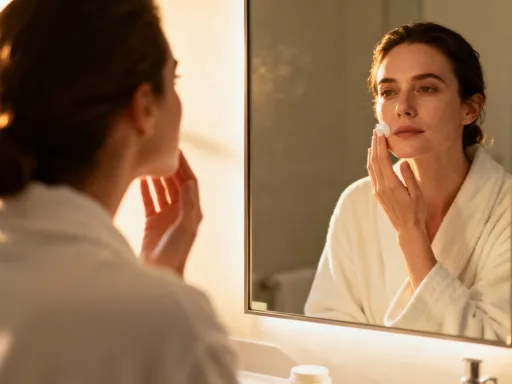
With a clear diagnosis, the next step was building a personalized skincare regimen. The dermatologist emphasized that consistency and simplicity were more important than complexity. The foundation of the routine focused on three core goals: barrier support, inflammation control, and cell renewal. Each product had a specific role, and every step was chosen to complement the others, not compete. The first rule was gentleness. Harsh cleansers were replaced with a fragrance-free, non-foaming cleanser that removed impurities without stripping the skin. Cleansing twice a day—morning and night—was sufficient; over-washing was discouraged.
Morning began with the gentle cleanser, followed by a hydrating toner containing ceramides and hyaluronic acid to restore moisture and strengthen the skin barrier. A lightweight, non-comedogenic moisturizer came next, locking in hydration and creating a protective layer. Sun protection was non-negotiable. Daily use of a broad-spectrum SPF 30 or higher, even on cloudy days, was emphasized because UV exposure is a known trigger for both rosacea and post-inflammatory hyperpigmentation. A mineral sunscreen with zinc oxide was recommended for its soothing, non-irritating properties.
At night, the routine included targeted treatments. A low-concentration prescription retinoid was introduced slowly—two nights a week at first—to promote cell turnover and prevent clogged pores without causing irritation. For inflammation, a topical azelaic acid was applied, which has been clinically proven to reduce redness and kill acne-causing bacteria. These treatments were spaced out from other actives to avoid overloading the skin. A richer night cream with niacinamide and peptides helped repair the barrier and reduce sensitivity over time. The regimen evolved gradually, with new products introduced one at a time to monitor reactions. This structured, step-by-step approach ensured that the skin could adapt without flare-ups.
The most important lesson was that medical-grade skincare isn’t about having the most products, but the right ones. Each component served a purpose grounded in dermatological research, not marketing claims. Over time, the routine became second nature—a quiet act of self-care that prioritized health over hype.
Daily Habits That Support Long-Term Skin Health
While topical treatments are essential, they’re only part of the picture. Skin health is deeply connected to overall well-being. Lifestyle factors such as diet, sleep, stress, and environmental exposure play a significant role in how the skin looks and functions. Hydration, for example, is foundational. Drinking adequate water throughout the day helps maintain skin elasticity and supports natural detoxification processes. Dehydration can make fine lines more visible and contribute to dullness, so carrying a reusable water bottle became a simple but effective habit.
Diet also influences skin behavior. Foods rich in omega-3 fatty acids—such as fatty fish, flaxseeds, and walnuts—have anti-inflammatory properties that can help calm conditions like rosacea and eczema. Antioxidant-rich fruits and vegetables, including berries, spinach, and sweet potatoes, protect against oxidative stress caused by pollution and UV exposure. On the other hand, high-glycemic foods like sugary snacks and refined carbohydrates can spike insulin levels, which may trigger acne in some individuals. Limiting dairy intake was also discussed, as some studies suggest a link between milk consumption and acne severity, possibly due to hormones present in dairy.
Sleep quality is another critical factor. During deep sleep, the body repairs damaged cells and regenerates tissue. Chronic sleep deprivation can elevate cortisol, the stress hormone, which in turn increases inflammation and oil production—both of which can worsen skin conditions. Establishing a consistent bedtime routine, reducing screen time before bed, and creating a cool, dark sleeping environment helped improve rest. Managing stress through mindfulness practices like meditation, deep breathing, or gentle yoga also made a noticeable difference. Lower cortisol levels translated to fewer flare-ups and a calmer complexion.
Environmental protection extended beyond sunscreen. Wearing a wide-brimmed hat during prolonged sun exposure, using a humidifier in dry indoor air, and avoiding extreme temperatures helped minimize triggers. These daily habits didn’t replace medical treatment, but they created a supportive environment for healing. When skin is nurtured from the inside and protected from the outside, treatment becomes more effective and relapses less frequent.
Tracking Progress Without Obsession
One of the biggest challenges in managing a chronic skin condition is measuring progress. Improvement is rarely linear. There are good days and bad days, and it’s easy to become discouraged by temporary setbacks. The dermatologist advised against daily mirror checks or magnified selfies, which can fuel anxiety and distorted self-perception. Instead, a structured tracking method was recommended: taking weekly photos under consistent lighting, using the same angle and distance. These photos, reviewed every few weeks, revealed subtle changes that weren’t obvious day to day—reduced redness, smoother texture, fewer breakouts.
In addition to photos, keeping a simple journal helped identify patterns. Noting product changes, dietary shifts, stress levels, and menstrual cycles allowed for connections to emerge. For example, a flare-up after a high-stress workweek or a weekend of late nights confirmed the link between cortisol and inflammation. Similarly, noticing clearer skin after eliminating a certain food provided valuable insight. This data-driven approach removed guesswork and reinforced the importance of consistency.
The key was balance. Tracking was meant to inform, not obsess. It encouraged accountability without becoming a source of stress. Celebrating small wins—like going a full week without a breakout or receiving a compliment on glowing skin—helped maintain motivation. Patience was essential. Most treatments take six to eight weeks to show visible results, and some, like retinoids, may cause initial purging before improvement. Understanding this timeline prevented premature abandonment of effective therapies. Over time, the focus shifted from seeking perfection to appreciating progress. The goal wasn’t flawless skin, but skin that felt healthy, resilient, and manageable.
Empowerment Through Knowledge and Consistency
Looking back, the most profound change wasn’t just in my skin—it was in my mindset. Managing a skin condition is not a sprint to clear skin, but a lifelong commitment to self-awareness and care. The journey taught me that true confidence doesn’t come from hiding flaws, but from understanding them. With the right knowledge and professional guidance, it’s possible to live well with a skin condition, not in spite of it, but because of the tools and habits that support it.
Empowerment came from realizing that I wasn’t powerless. Every informed choice—from selecting a gentle cleanser to scheduling a dermatology follow-up—was an act of taking control. Consistency, not perfection, became the new standard. There were still occasional flare-ups, but now I had a plan. I knew my triggers, my treatment options, and when to seek help. This stability brought a quiet confidence that no concealer could provide.
Skin health is not a luxury or a vanity project. It’s a vital part of overall well-being, especially for women navigating the physical and emotional changes of adulthood. By treating it with the seriousness it deserves—through science, not trends—we honor our bodies and our self-worth. The message is clear: your skin deserves more than quick fixes. It deserves informed care, patience, and compassion. With the right mindset and medical partnership, a healthier, calmer complexion isn’t just possible—it’s within reach.