It’s not just another app: How health tools quietly helped me fall in love with self-care
Remember when “self-care” felt like one more thing on your to-do list? I used to scroll past those apps, thinking they were just for fitness fanatics. But one quiet Tuesday, after skipping my third workout in a row, I tried a simple habit tracker—no pressure, no judgment. Slowly, tiny changes stuck. Not because I became superhuman, but because the tools adapted to *my* life, not the other way around. This isn’t about perfection. It’s about progress, one small tap at a time.
The Overwhelm Before the Click: When Self-Care Feels Like Failure
Let’s be honest—how many of us have started the week with a sparkling new journal, promising to drink more water, move more, sleep better, only to find it tucked under a stack of mail by Thursday? I’ve been there, more times than I can count. I’d buy the planner with the floral cover, write my goals in bold letters, and feel so motivated. Then life happened. The kids needed help with homework, dinner burned, and suddenly, tracking my mood or logging a walk felt like another chore I was failing at. The guilt crept in. Why couldn’t I stick with it? Why did everyone else seem to have it together while I was just… surviving?
I used to think the problem was me. That I lacked discipline. That I didn’t care enough. But the truth was, the tools I was using didn’t care about *me*. They were built for someone with endless time, perfect routines, and zero stress. They asked me to be consistent when my life was anything but. They celebrated milestones I never reached and shamed me with red X’s on my calendar. No wonder I gave up. No wonder self-care started to feel like another report card I was destined to fail.
It wasn’t until I realized that motivation doesn’t come from pressure—that real change grows in gentleness—that I began to look differently at what support could look like. What if, instead of demanding more from me, a tool could meet me where I was? What if it could whisper encouragement instead of shouting expectations? That’s when I discovered that the right kind of technology isn’t about pushing harder. It’s about making it easier to show up—exactly as you are.
Starting Small: The First Tap That Changed Everything
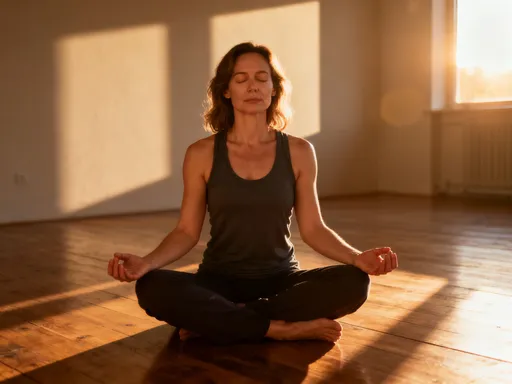
My journey didn’t begin with a 30-day challenge or a fitness tracker strapped to my wrist. It began with five minutes. That’s it. Five minutes of sitting quietly, guided by a voice on my phone that didn’t care if I’d spilled coffee on my shirt or forgotten to pack lunches the night before. I found a mindfulness app—simple, clean, no flashy ads—and set a reminder for 7:30 p.m., right after I tucked the kids in. The first time, I only lasted 62 seconds before my mind raced off to tomorrow’s meetings. But I didn’t delete the app. I didn’t call myself weak. I just tapped “Done” and went to bed.
What surprised me was how that tiny act started to feel less like a chore and more like a gift. The app didn’t scold me. It didn’t show me a failure rate or compare me to other users. It just said, “Thanks for showing up.” And slowly, those 62 seconds turned into two minutes, then four, then the full five. Some nights I skipped it. And you know what? The app didn’t collapse. The world didn’t end. It just waited for me, patiently, like a friend who knows you’re doing your best.
This was the shift: I wasn’t trying to transform myself overnight. I wasn’t chasing six-pack abs or a perfect diet. I was learning to be kind to myself. And that kindness started with lowering the bar. Logging a glass of water—even if it was the only one I drank all day. Marking a stretch session even if it lasted 90 seconds. These weren’t victories the world would notice. But they were mine. And over time, they added up to something bigger than any grand resolution ever did.
From Tracking to Enjoying: When Data Becomes a Friend, Not a Judge
I’ll admit it: I used to hate numbers. Calories, steps, sleep scores—they all felt like tiny report cards, and I was always getting Cs. I’d see “4,200 steps” and think, *I failed*. Never mind that I’d walked to school drop-off, chased my toddler through the park, and stood at the stove for an hour making dinner. The number didn’t reflect my effort. It just told me I hadn’t hit 10,000. No wonder I avoided tracking altogether.
But then I found an app that didn’t focus on targets. Instead, it showed me trends. A gentle line graph of my sleep over two weeks. A weekly summary that said, “You’re getting more deep sleep than last month.” No red warnings. No flashing alerts. Just quiet, calm information. And something shifted. I wasn’t looking at numbers to judge myself anymore. I was using them to *understand* myself.
For the first time, I noticed patterns. I slept better when I turned off screens by 9 p.m. I felt calmer on days when I logged even five minutes of mindful breathing. I drank more water when I set a soft reminder at 3 p.m., not a series of nagging pings. The data wasn’t my enemy. It was my mirror. And instead of flinching at what I saw, I started to feel curious. What if I tried going to bed just 15 minutes earlier? What if I swapped my afternoon soda for sparkling water and saw how my energy changed?
This is the power of non-judgmental tracking. It doesn’t tell you what to do. It helps you see what’s already happening. And when you can see your progress—even the invisible kind—you start to trust yourself. You realize you’re not failing. You’re learning. And that makes all the difference.
Habit Stacking with Tech: Weaving Wellness Into Existing Routines
I used to think self-care meant adding more to my day. A yoga class at 6 a.m. A 20-minute meditation before work. A strict meal prep Sunday. But with a full schedule, those plans never lasted. The real breakthrough came when I stopped trying to *add* and started trying to *attach*. That’s when I discovered habit stacking—the simple idea of linking a new behavior to something I was already doing.
After I brushed my teeth at night, I opened my breathing app for one minute. While my coffee brewed in the morning, I tapped my mood tracker. While I waited for the microwave to finish lunch, I did two shoulder rolls and a quick neck stretch. These weren’t grand gestures. They took seconds. But because they were tied to habits I already had, they stuck. The app didn’t need to remind me at random times. It synced with my rhythm.
One of my favorite pairings? Putting on my earrings and opening my gratitude journal in the app. It became a tiny ritual—just three things I was thankful for, typed with one hand while I zipped up my boots. Some days it was big: “My daughter’s laugh.” Other days it was small: “The sun came out.” But over time, that little moment became something I looked forward to. It grounded me before the day began.
Tech made this possible by being quiet, not loud. Instead of interrupting my day with alerts, it waited for natural pauses. And because it fit into my flow, I didn’t resist it. I didn’t feel like I was “doing self-care.” I just felt like I was living—more mindfully, more gently, more fully.
The Joy of Showing Up: How Tiny Wins Build Lasting Motivation
There’s a moment, when you open an app and see a streak of green checkmarks, that feels… warm. Not because you’ve achieved something huge, but because you’ve been consistent. You’ve shown up, even when you didn’t feel like it. Even when life was loud and messy. That little celebration—“Great job!” or a soft chime—might seem small. But for someone who’s used to criticizing herself, it means everything.
I remember the first time I hit a seven-day streak of logging my water. I didn’t drink eight glasses every day. Some days it was four. But I logged it. And the app didn’t care about the number. It cared that I remembered. That tiny acknowledgment sparked something in me. Pride. Not the loud, flashy kind. The quiet kind. The kind that whispers, “You’re learning to care for yourself. And that matters.”
This is how motivation grows—not from big rewards, but from small, steady affirmations. When an app celebrates your effort instead of just your results, it teaches you to do the same. You start to notice your own wins. “I paused before reacting when the kids argued.” “I took three deep breaths during a stressful call.” These moments don’t make the news. But they change your life.
And here’s the beautiful part: the more you celebrate showing up, the more you want to keep doing it. It’s not about perfection. It’s about presence. And over time, that presence becomes a habit—one that feels good, not forced.
Tech That Adapts, Not Demands: Choosing Tools That Grow With You
Not all apps are created equal. I’ve tried ones that felt like drill sergeants—pushing me to do more, faster, longer. They sent reminders at 6 a.m. for a workout I hadn’t scheduled. They flagged missed goals in red. They made me feel like I was always behind. Unsurprisingly, I didn’t last long with those.
But the ones that worked? They were different. They asked, “How are you feeling today?” and adjusted suggestions accordingly. They let me change my goals without judgment. They learned that I usually meditated in the evening, not the morning, and shifted reminders to match. They felt less like a rulebook and more like a guide—someone who knew me, not just a user number.
One of my favorite features is mood-aware suggestions. On a high-stress day, the app might recommend a five-minute breathing exercise instead of a 20-minute meditation. On a low-energy day, it might suggest a gentle stretch instead of a workout. It didn’t assume I should be the same every day. It honored my rhythm. And that made all the difference.
When choosing tools, I now look for flexibility. Can I customize it? Does it respond to my input? Does it feel supportive, not shaming? Because the best tech doesn’t try to change you into someone else. It helps you become more of who you already are—calmer, kinder, more in tune with yourself.
The Ripple Effect: How One Habit Transformed More Than Health
I didn’t expect self-care to change my relationships. But it did. After a few weeks of consistent breathing exercises, I noticed I wasn’t snapping at my kids during morning chaos. I’d pause. Breathe. Respond instead of react. It wasn’t magic. It was practice. And that practice, supported by a few gentle reminders on my phone, spilled over into every part of my life.
My sleep improved, which meant I wasn’t dragging through breakfast. Our mornings became calmer. I had more patience. I smiled more. At work, I found myself taking a breath before answering stressful emails. I stayed focused longer. Even my husband noticed. “You seem lighter,” he said one evening. “Like you’re not carrying everything on your shoulders anymore.”
And he was right. Caring for myself didn’t just change my body. It changed my mind. My heart. My home. The energy I brought to my family shifted because I wasn’t running on empty. I wasn’t pouring from an empty cup. I was learning, slowly, to fill it.
These changes didn’t come from a single app or a perfect routine. They came from small, supported choices—ones that added up without me even realizing it. The truth is, self-care isn’t selfish. It’s necessary. And when we take care of ourselves, we have more to give to the people we love.
The Quiet Revolution of Everyday Wellness
Looking back, it wasn’t one big change that transformed my life—it was a series of tiny, supported choices. Health tech didn’t fix me; it held space for me to grow. It didn’t demand perfection. It celebrated presence. It didn’t isolate me with numbers. It helped me understand myself. And most importantly, it met me where I was—on tired nights, busy mornings, and everything in between.
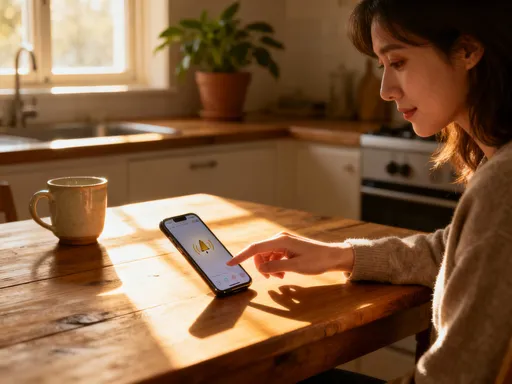
The hobby I never planned for? Caring for myself—gently, consistently, joyfully—became the most rewarding one yet. It didn’t require a gym membership or a strict diet. It just required a few minutes, a little kindness, and the right kind of support. And that support came, surprisingly, from my phone—not as a distraction, but as a quiet companion on my journey.
If you’ve ever felt like self-care is for someone else—someone with more time, more energy, more willpower—let me tell you this: it’s not. It’s for you. Exactly as you are. And you don’t need to overhaul your life to begin. You just need one small tap. One breath. One moment of noticing. Because real change doesn’t roar. It whispers. And sometimes, it arrives in the form of a soft chime on your phone, reminding you that you matter.